

Go by train: Brazil's most famous tourist trains
On April 30, 1854, Dom Pedro II inaugurated the Petrópolis Railway, 14 km long, connecting Porto Mauá to Fragoso. This was the starting point for railway expansion in Brazil, which aimed to attract foreign capital and stimulate an export-based economy. That is why the first railways linked points of mineral or agricultural production to the ports, the main route for shipping the nation’s output.
Over the years, with the modernization of transport and its routes, railways gradually lost strength in Brazil as the main means of freight transport. However, the unmatched charm of trains and rail travel is put to very good use by the country’s tourism sector.
Check out some tips on the country’s most sought-after rail tourism routes:
Trem do Corcovado (RJ)
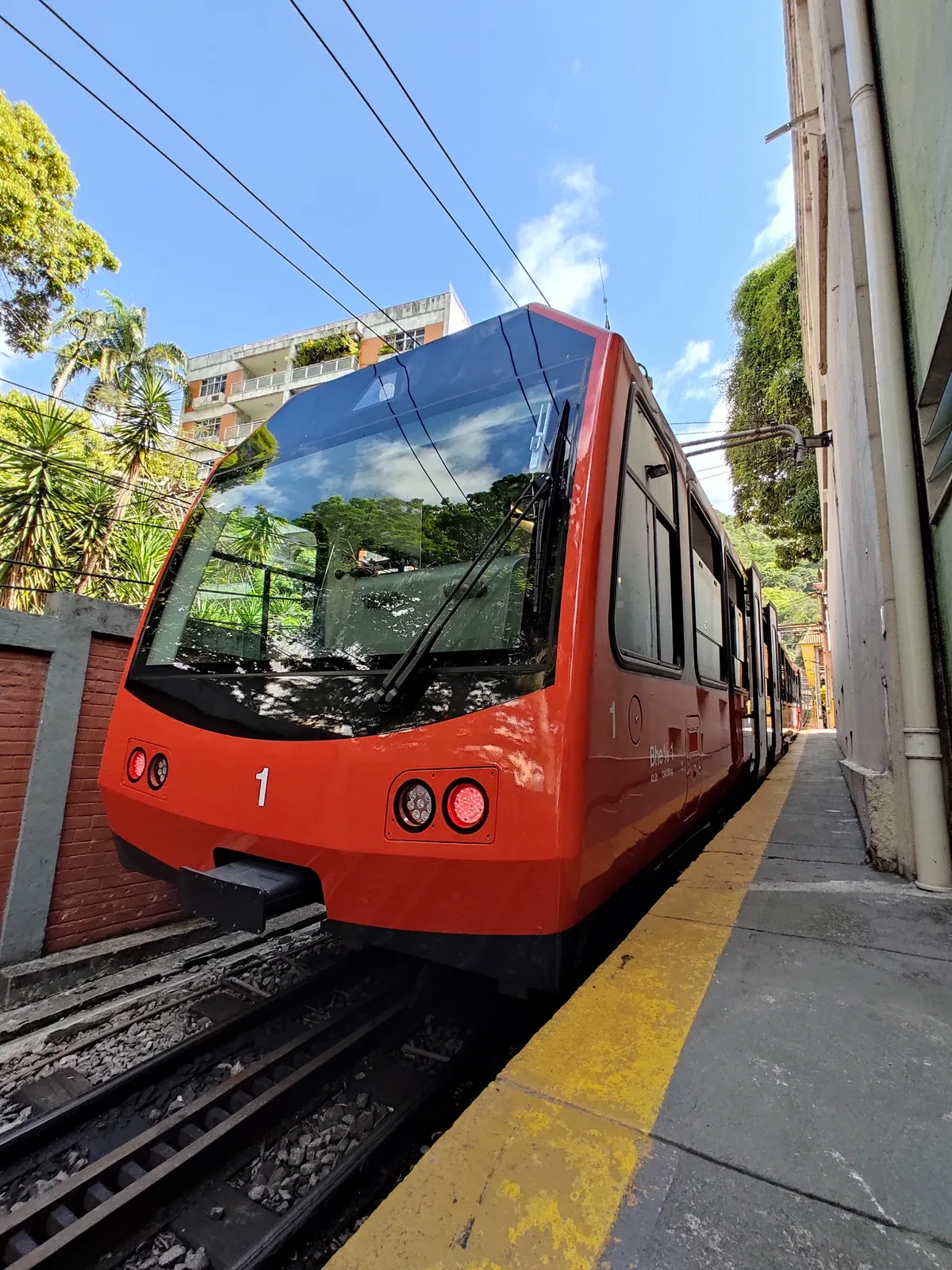
Of course, the country’s oldest tourist ride could not be missing from this list. Inaugurated by Dom Pedro II in 1884, the Trem do Corcovado crosses the world’s largest urban forest, Tijuca National Park, and is an example of environmental conservation, since being electric it does not pollute the environment. It is well worth taking in the lush scenery aboard the TdC as it climbs Corcovado up to the Christ the Redeemer monument!
Trem da Serra do Mar Paranaense (PR)
Running the route from Curitiba to Morretes, the train crosses part of the Atlantic Forest and the Serra do Mar. The railway was founded in 1885 and passes waterfalls, mountains and bridges on a journey lasting about four hours.
Locomotiva do Forró (PB)
During the month of June, departing from Campina Grande on an 84 km stretch of track, the train takes its passengers to the district of Galante to the sound of plenty of Forró and June-festival music. It is worth remembering that the city of Campina Grande is famous for hosting the “biggest São João in the world,” and the train already helps visitors get into the spirit of the celebration.
Trem das Águas (MG)
The Trem das Águas covers 20 km over two hours, and one of the things that makes it so appealing is the chance to travel on a steam locomotive, as well as offering passengers typically Minas Gerais musical performances. The train also has a bar for tasting the famous Minas cachaças.